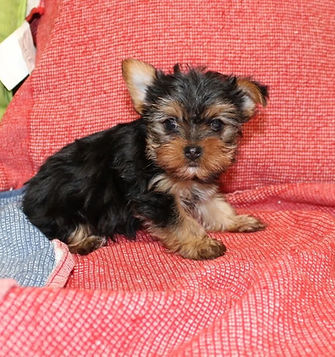
The Tea cup yorkie dog breed is ideal for:
Experienced small-breed enthusiasts seeking portable companionship. Requires owner with:
-
24/7 monitoring capacity
-
Financial readiness for specialized vet care
-
Patience for housebreaking challenges
-
No children/other pets in household
1. Physical Profile
-
Size: Ultra-miniaturized variant of Yorkshire Terrier
-
Height: 6–7 inches (15–18 cm)
-
Weight: 2–4 lbs (0.9–1.8 kg) [below standard Yorkie size]
-
-
Coat: Fine, silky, human-like hair (non-shedding)
-
Traditional steel-blue/tan coloration
-
Floor-length coat if untrimmed (show standard)
-
-
Distinct Features:
-
Toy-like proportions with delicate bone structure
-
Bright, bead-like dark eyes
-
Small V-shaped ears carried erect
-
2. Temperament
-
Personality: Big-dog confidence in micro packaging
-
Behavioral Nuances:
-
Velcro-like attachment to primary caregiver
-
Prone to "small dog syndrome" without training
-
Alert watchdog tendencies (excessive barking risk)
-
Playful but fragile – unsuitable for rough play
-

3. Health Considerations
-
Lifespan: 7–12 years [shorter than standard Yorkies]
-
Critical Health Risks:
-
Hypoglycemia (life-threatening low blood sugar)
-
Collapsing trachea (due to fragile cartilage rings)
-
Luxating patellas (slipping kneecaps)
-
Dental overcrowding (40 teeth in tiny jaw)
-
Increased anesthesia sensitivity
-
4. Specialized Care
-
Nutritional Needs:
-
Scheduled feeding (4–6x daily) to prevent hypoglycemia
-
High-calorie supplements during growth phases
-
-
Grooming Demands:
-
Daily coat brushing to prevent tangles
-
Weekly ear cleaning (prone to infections)
-
"Puppy cut" trim recommended for practicality
-
-
Environmental Adaptations:
-
Ramps/steps for furniture access
-
Harness-only walking policy
-
Temperature control (vulnerable to hypothermia)
-
5. Ethical & Practical Notes
-
Breeding Controversies:
-
Not recognized by AKC/other major kennel clubs
-
Often produced through unethical "runt breeding"
-
300% higher veterinary costs vs standard Yorkies
-
-
Ownership Realities:
-
Frequent bathroom needs (tiny bladder capacity)
-
High risk of injury from falls/crushing
-
Limited breeding viability (high mortality rates)
-